In 2004, we visited my grandma, who lived a few states away in North Carolina. Over lunch, my mom and I heard my grandma Betty repeat herself every 5–10 minutes. The first time we laughed, but over lunch, my mom and I became concerned that this was something much more serious going on. She had also befriended two neighbors, a couple whom she had previously referred to as tacky. Soon enough, we were moving to North Carolina to help her settle her affairs. Looking back, I know I didn’t make things easier. I was a 15-year-old who had been uprooted from the place I’d grown up, leaving all my friends behind. I understood my grandma had dementia, but I didn’t understand the toll it would take or how my mom and grandma’s already fraught relationship would manifest in caregiving. My mother didn’t have a power of attorney, and eventually my grandma signed it over. The beginning was the worst as she would have emotional mood swings, yelling cutting insults at my mom, especially during the “sundowning hours."

We had to take everything away from her: her car, credit cards, house, any semblance of independence because the risk of exploitation and scams was so high. It was brutal, stripping away her independence. Despite those safeguards, we still discovered a scam when we put her in a nursing home overlooking the ocean in North Carolina that she loved. We had to move her out after discovering one of the nursing home staff members was running up her credit card. We moved her down to Georgia, down the road from her house, where she stayed until she passed away. From that first lunch until she died, it was almost 6 years.
Anyone who has lived through caretaking for a parent or relative with dementia knows they would do anything to spare others the same fate.
I have seen firsthand what it is like to handle a situation reactively. When there is a serious injury, a positive test result, or a diagnosis, we can suddenly become caretakers overnight. It feels like treading water, like you can’t catch your breath. Where are the medical documents? What medications is my relative taking? Who is the financial advisor? What kind of work and jobs exist so I can take care of my parents while managing parenthood?
I have had so many conversations with caretakers about the difficulties of caretaking, how overwhelming, draining, expensive, time-consuming, bouts of depression and grief, hopelessness, and loneliness. Many of us will face caregiving for aging parents while raising children and dealing with the stresses and pressures of parenthood. Based on my own experience and the experience of caretakers I have spoken to, there is very limited guidance, discussions, or pathways to manage caregiving.

These conversations can be difficult and uncomfortable as parents don’t want to burden children, sickness and death are taboo, and there is so much moralizing, judgment, and shame around health topics. There is a lot of discomfort in talking about death, money, and an uncertain future, as it reminds us of our vulnerability and mortality. The gap in communication around these topics leads to misalignment in expectations, disappointment, stress, and resentment among family members.
In your 30s and 40s, you get and feel older, and you realize your parents are getting older, and you realize the most invaluable resource is time. We care about parents’ health now because you can make interventions in your 60s and 70s that can significantly improve the quality of life for our parents. The more we communicate about health, the more we can advocate for others.
Whether we talk about these topics or not, everyone ages and eventually dies. The question is whether we want to be proactive or reactive. I want to have these conversations way before anything happens in a neutral, safe space, when everyone has their head on straight.
I am passionate about preventative health, and I want to work to build health tomorrow, next year, and for the next decade. The cornerstone of preventative health is knowledge and empowerment. The more we understand about our health and our family history, the better we can plan and execute for the future and mitigate genetic risks through lifestyle modifications.
This is why the first pillar of CrossGen Health is health data consolidation and ensuring families have access to all the information that matters: family diseases and risk factors, doctors and hospitals, medical results and tests, insurance policies, and medical directives.
We can’t prevent what we don’t know is a risk, and we don’t know what we don’t ask about.
The second pillar is conversations about caretaking.
My goal through CrossGen Health is to empower families through knowledge sharing, mitigate risks through honest planning, and make caretaking less jarring through open and honest communication.
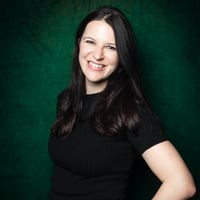 Kristen Carusos is the founder of CrossGen Health, a Hong Kong-based consultancy that helps families consolidate health information and prepares adult children for caregiving through education and planning.
Kristen studied Chinese for a semester at Beijing Language and Culture University before returning to the United States to complete a degree in International Affairs with a minor in French. She then bought a one-way ticket back to Beijing, where she lived for four years, working in software sales expansion across Hong Kong and Greater China, and later in events and marketing technology at EventBank. She was a founding member of the Beijing Women's Network. EventBank relocated her to Hong Kong to open the company's local office and manage its first major client, and she has lived in Hong Kong for almost a decade since 2016.

Before founding CrossGen Health, Kristen worked in recruiting and sales across software, insurance, and luxury retail. That work sharpened the skills she now brings to every client session: asking the right questions, staying direct, and understanding how Hong Kong's working culture shapes the decisions families make.
During the pandemic, a conversation in an online book club sparked a realization: she wanted to move into health, but wasn't yet sure how. She spent the next several years completing coursework in caregiving, medical terminology, health behavior change, and biology, including certifications from Yale University, the University of Pennsylvania, and the University of Colorado Boulder, while conducting her own research through the Ageing Parents: Health Concerns of Adult Children survey in Hong Kong. She also holds HSK 5 Mandarin certification from Peking University.
Kristen now works alongside lawyers, doctors, insurers, brokers, hospitals, elder mediators, financial advisors, therapists, and physiotherapists across Hong Kong's eldercare landscape. Outside of CrossGen Health, she is co-chair of the Women of Hong Kong Book Club, a member of Mandarin Toastmasters, and active in several women's health communities across Asia.